Fascinating Insights into Manatees in the Florida Keys
Where can you see manatees in the Florida Keys? Discover the best manatee viewing locations, wildlife facts, and family-friendly vacation rentals in Marathon and Key Colony Beach at FloridaKeysVillas.com.
Fascinating Insights Into Manatees in the Florida Keys | Florida Keys Villas
Fascinating insights into manatees in the Florida Keys. Learn where to see them, when they migrate, and the best wildlife spots near Marathon and Key Colony Beach. Stay nearby at FloridaKeysVillas.com luxury vacation rentals.
Have you ever wondered why manatees are seen in the Florida Keys during the summer? Many visitors assume these gentle giants only appear during winter. However, manatees can actually be seen year-round throughout the Florida Keys, especially near warm, shallow water and protected mangrove habitats.
In fact, when water temperatures drop in northern Florida, manatees migrate south toward warmer water, much like winter travelers escaping colder climates. Because of this seasonal movement, the Florida Keys often become a refuge for these peaceful marine mammals.
If you're visiting the Keys and staying in Florida Keys vacation rentals, you may even spot a manatee near marinas, mangrove channels, or calm coastal waters.
👉 Book Direct and Save:
FloridaKeysVillas.com
Whether you're looking for Marathon Florida vacation homes, Key Colony Beach rentals, or luxury villas in the Florida Keys, our large family-friendly villas provide the perfect home base for exploring marine wildlife.
Why Are Manatees Seen in the Florida Keys?
Manatees live in the Florida Keys because the waters are warm, shallow, and rich in seagrass, which is their primary food source. While they are commonly associated with winter migration, manatees are present in the Florida Keys throughout the year.
Visitors often see them:
• Near marinas and docks
• Around mangrove shorelines
• In shallow seagrass beds
• Along calm coastal waters
Because the Keys provide ideal habitat conditions, spotting a manatee is one of the most magical wildlife experiences in the region.
VIDEO SECTION
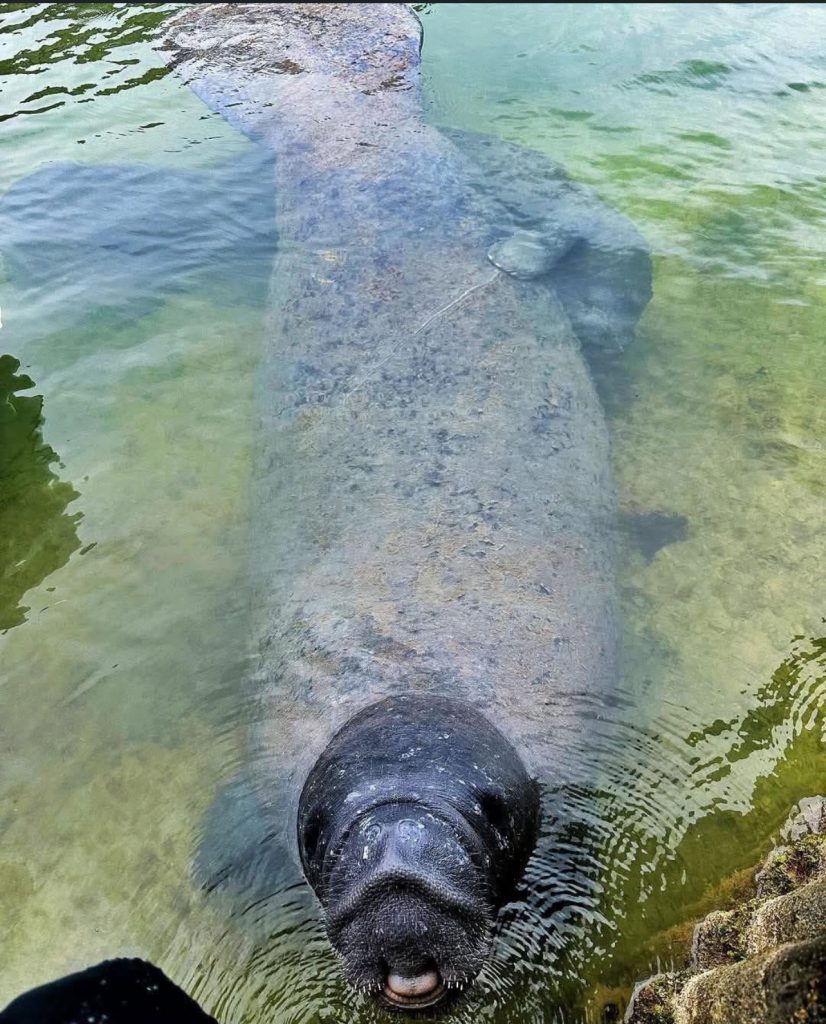
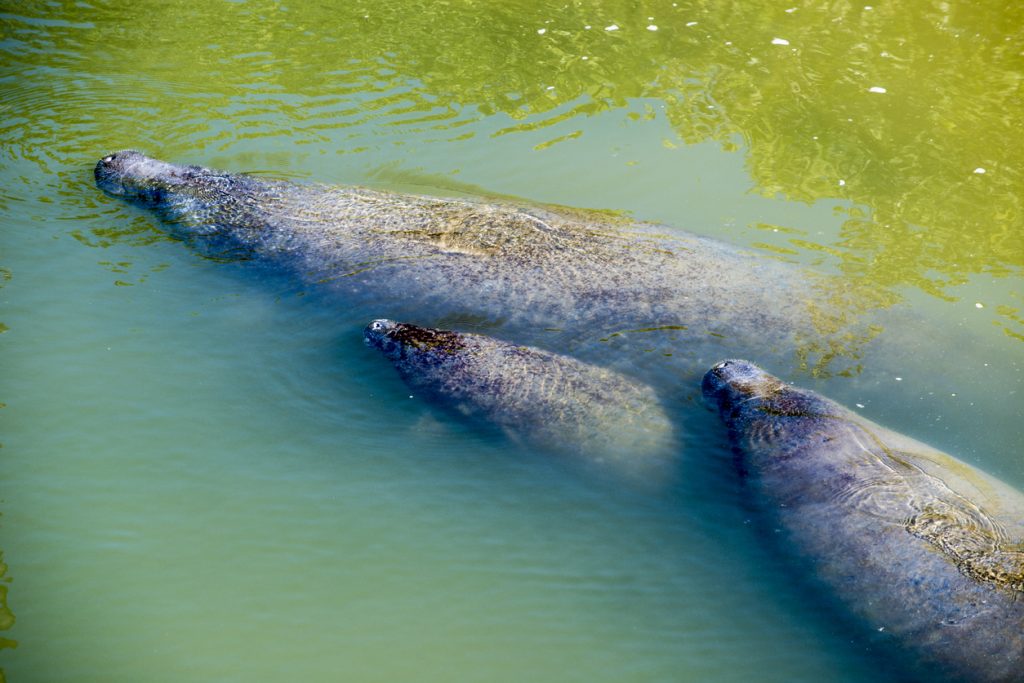
Watch a Manatee Mother and Baby in the Florida Keys
Watching a manatee mother and calf swimming together is an unforgettable sight. These calm and curious animals often glide slowly through shallow waters, sometimes surfacing gently for air before continuing their peaceful journey.
WHAT SPECIES OF MANATEES LIVE IN THE FLORIDA KEYS
The Florida Manatee
The species most commonly seen in the Florida Keys is the Florida Manatee, which is a subspecies of the West Indian Manatee.
These remarkable marine mammals can grow up to:
• 13 feet long
• 1,200 pounds
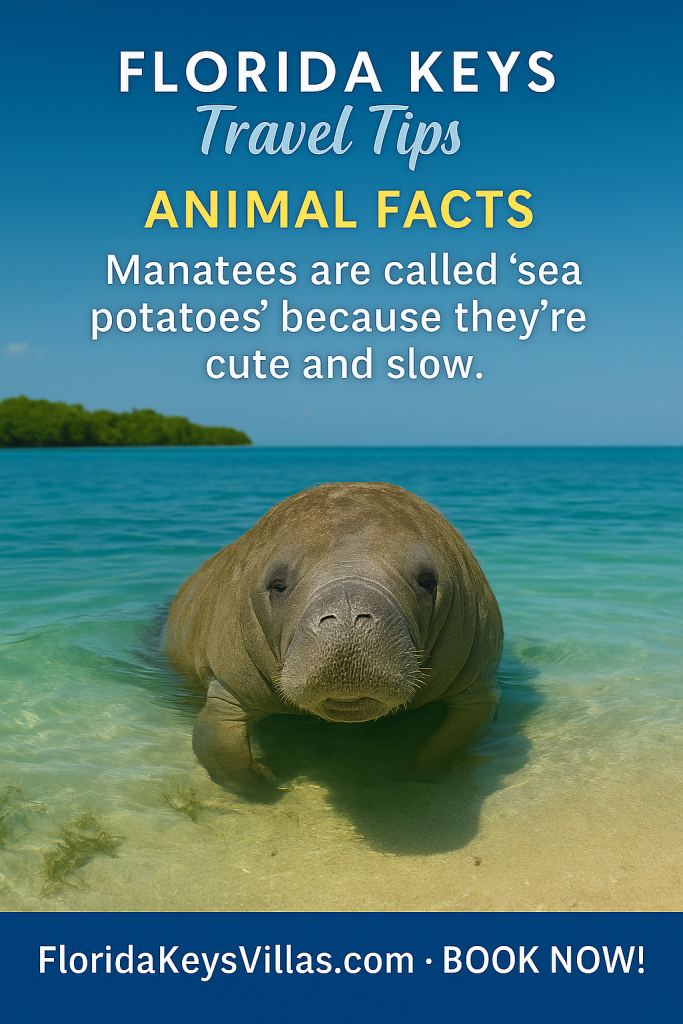
Despite their large size, manatees are known for their gentle personalities and slow movements, which is why they are often referred to as “sea cows.”
BEST WAY TO SEE MANATEES
Explore the Water for the Best Encounters
While manatees are sometimes spotted at marinas, your best chance of seeing them is out on the water.
Popular ways to encounter them include:
• Kayak tours
• Paddleboarding (SUP)
• Guided eco-tours
• Quiet boat rides through mangrove channels
In particular, kayaking through the mangrove tunnels can provide a peaceful and unforgettable wildlife experience. You may also encounter lemon sharks, fish schools, and other marine life along the way.
BEST PLACES TO SEE MANATEES IN THE FLORIDA KEYS
Several beautiful locations increase your chances of seeing these gentle marine mammals.
Top Manatee Viewing Locations
John Pennekamp Coral Reef State Park
Located in Key Largo, this marine park offers calm waters and seagrass beds where manatees often graze.
Indian Key Historic State Park
This quiet island environment provides natural habitats where wildlife sightings are common.
Cow Key Marina
A well-known marina where manatees sometimes gather near docks and boats.
Dry Tortugas National Park
Although more remote, the protected waters occasionally host passing manatees.
Key West Bight Marina
This historic harbor sometimes attracts manatees due to calm waters and boat activity.
Garrison Bight Marina
Another marina area where visitors occasionally report sightings.
FASCINATING FACTS ABOUT MANATEES
Manatee Reproduction and Babies
Manatees typically give birth to one calf at a time, although twins are rare.
Important facts include:
• Gestation period: about 12 months
• Calves stay with their mothers for 1 to 2 years
• Mothers teach calves migration routes and feeding areas
This long bond helps young manatees learn survival skills before becoming independent.
What Do Manatees Eat?
Manatees are herbivores, meaning they only eat plants.
Their diet includes:
• Seagrass
• Aquatic plants
• Algae
Because of their size, they consume large amounts of vegetation every day, sometimes eating 10% of their body weight daily.

Manatee Sleeping Habits
Manatees have unusual sleeping habits.
Because they must surface regularly to breathe, they cannot sleep deeply like humans.
Instead they:
• Rest just below the surface
• Sleep in short intervals
• Rise periodically for air
These gentle giants spend much of their day resting or slowly grazing on plants.
THREATS TO MANATEES
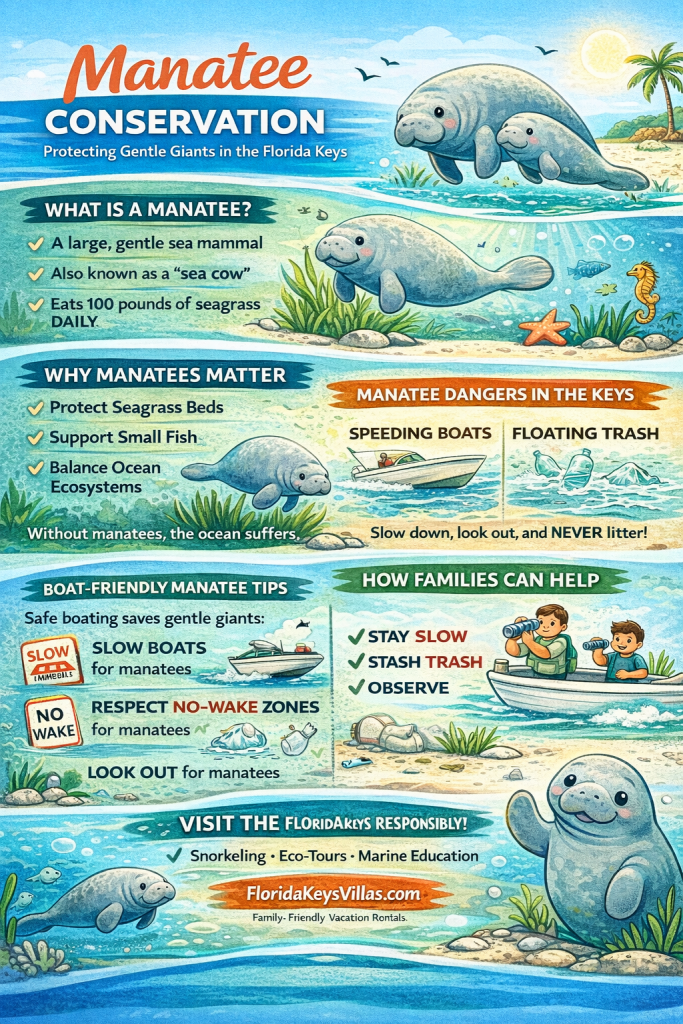
Although manatees are peaceful animals, they face several serious threats.
Boat Collisions
Because manatees swim slowly in shallow waters, they are vulnerable to boat strikes, which are one of the leading causes of injury and death.
Habitat Loss and Pollution
Manatees depend on healthy seagrass beds and clean water.
Unfortunately, coastal development, pollution, and habitat destruction can reduce their food supply and threaten their survival.
Fishing Gear Entanglement
Manatees sometimes become entangled in:
• fishing lines
• nets
• ropes
This can restrict their movement and make it difficult for them to swim or breathe.
CAN YOU FEED MANATEES?
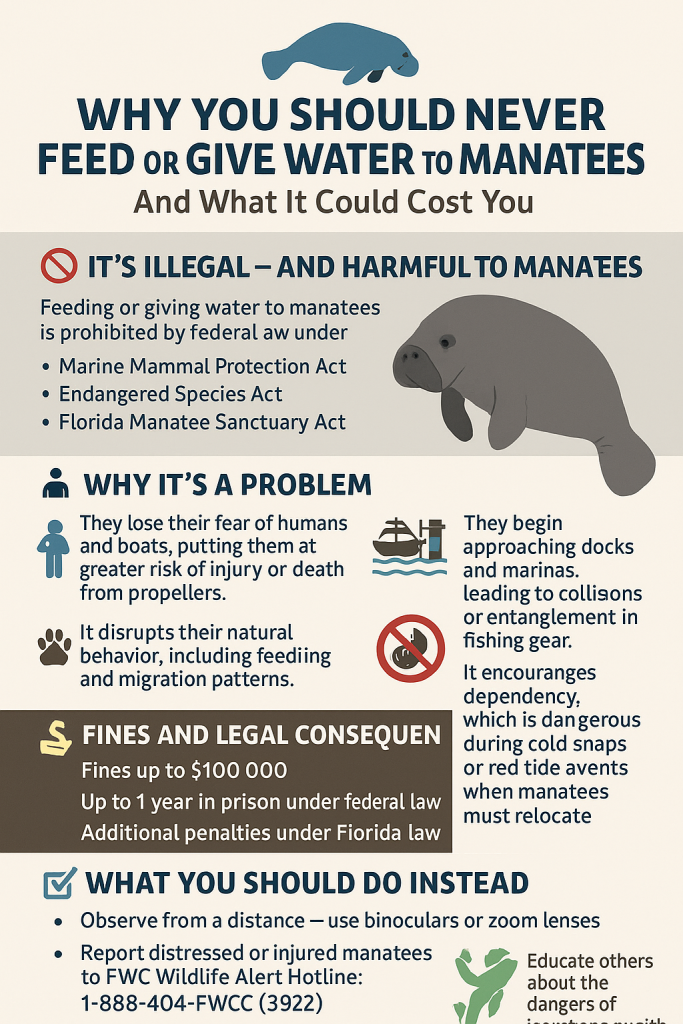
Feeding Manatees Is Illegal
Many visitors wonder if they can feed or give water to manatees.
However, feeding wild manatees is illegal and harmful.
Why?
Because feeding them:
• disrupts natural behavior
• makes them dependent on humans
• encourages them to approach boats
This greatly increases the risk of dangerous boat collisions.
Always observe manatees from a safe distance and allow them to behave naturally.
HOW MANATEES STAY SAFE
Protected Wildlife Areas
Manatees often seek refuge in protected environments such as:
• wildlife sanctuaries
• warm-water springs
• marine parks
These areas provide safe habitats for feeding and resting.
Conservation Efforts
Public awareness campaigns encourage boaters to:
• follow manatee speed zones
• stay alert in shallow water
• protect seagrass habitats
These conservation efforts help protect the long-term survival of manatees.
MANATEE PROTECTION LAWS
Manatees are protected under several major laws including:
• Endangered Species Act (ESA)
• Marine Mammal Protection Act (MMPA)
Violations can result in:
• fines up to $100,000
• criminal charges
• possible imprisonment
Florida state law also prohibits harming, harassing, capturing, or killing manatees.
These strict penalties exist to protect one of Florida’s most beloved marine animals.
WHERE TO STAY WHEN VISITING THE FLORIDA KEYS
If you want to experience marine wildlife up close, staying in Marathon Florida vacation homes provides easy access to the best wildlife areas in the Keys.
At FloridaKeysVillas.com, we offer:
✔ luxury villas in the Florida Keys
✔ pet-friendly Florida Keys rentals
✔ waterfront rentals with docks
✔ Marathon FL rentals with pools
✔ group vacation homes in the Keys
Our large villas are perfect for family-friendly vacations, fishing trips, and wildlife adventures.
💲 Nightly Rates: $1,250 – $1,500
🕓 Check-in: 4:30 PM
👉 Book Direct and Save:
FloridaKeysVillas.com
VOICE SEARCH FAQ SECTION
Frequently Asked Questions About Manatees in the Florida Keys
Why are manatees seen in the Florida Keys during summer?
Manatees remain in the Florida Keys year-round because the waters are warm and contain abundant seagrass, which is their main food source.
Where is the best place to see manatees in the Florida Keys?
Some of the best places include John Pennekamp State Park, Indian Key Historic State Park, Key West Bight Marina, Cow Key Marina, and mangrove areas throughout the Keys.
Are manatees dangerous to humans?
No. Manatees are gentle animals that move slowly and rarely interact aggressively with humans.
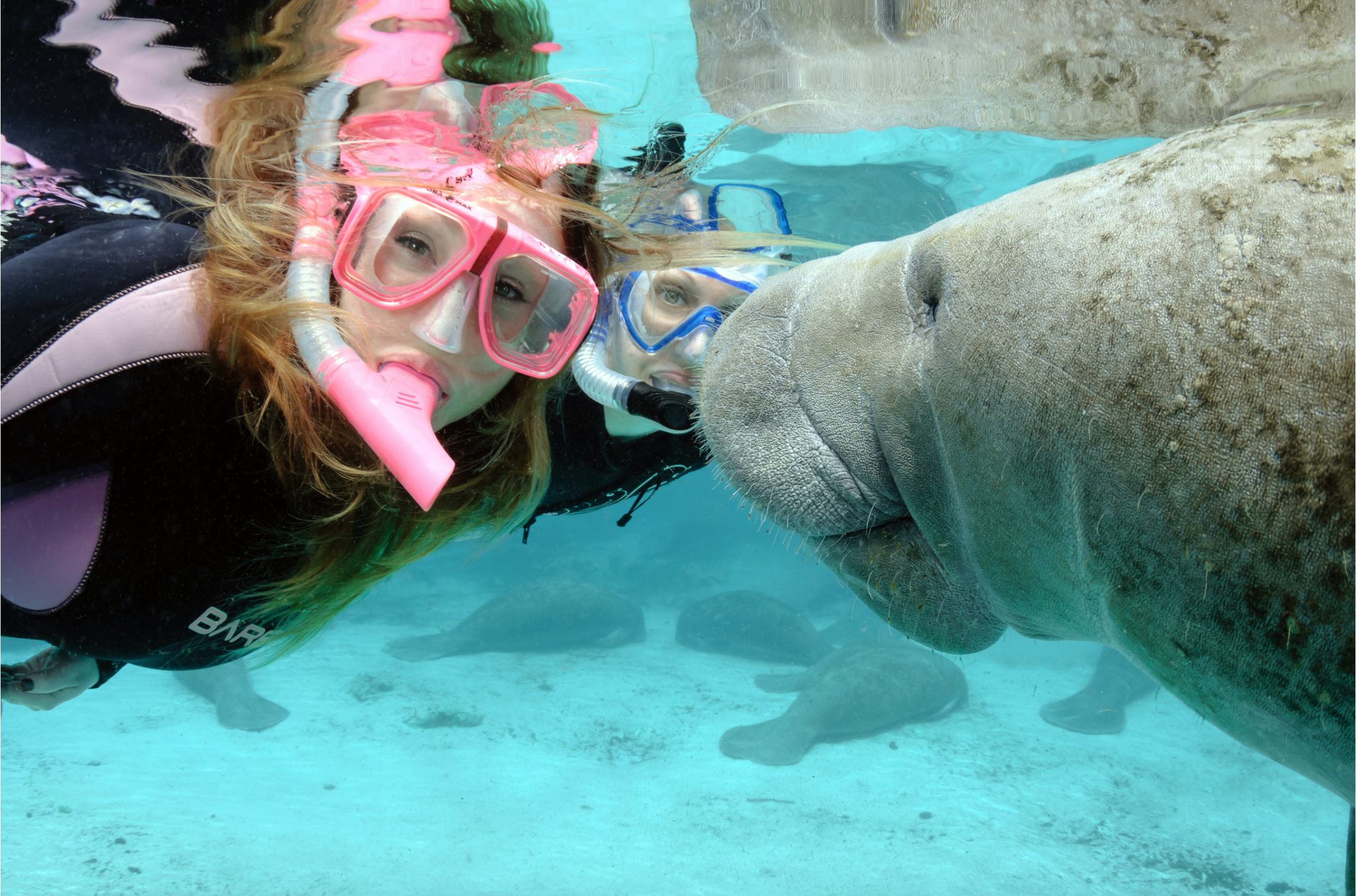
Can you swim with manatees in the Florida Keys?
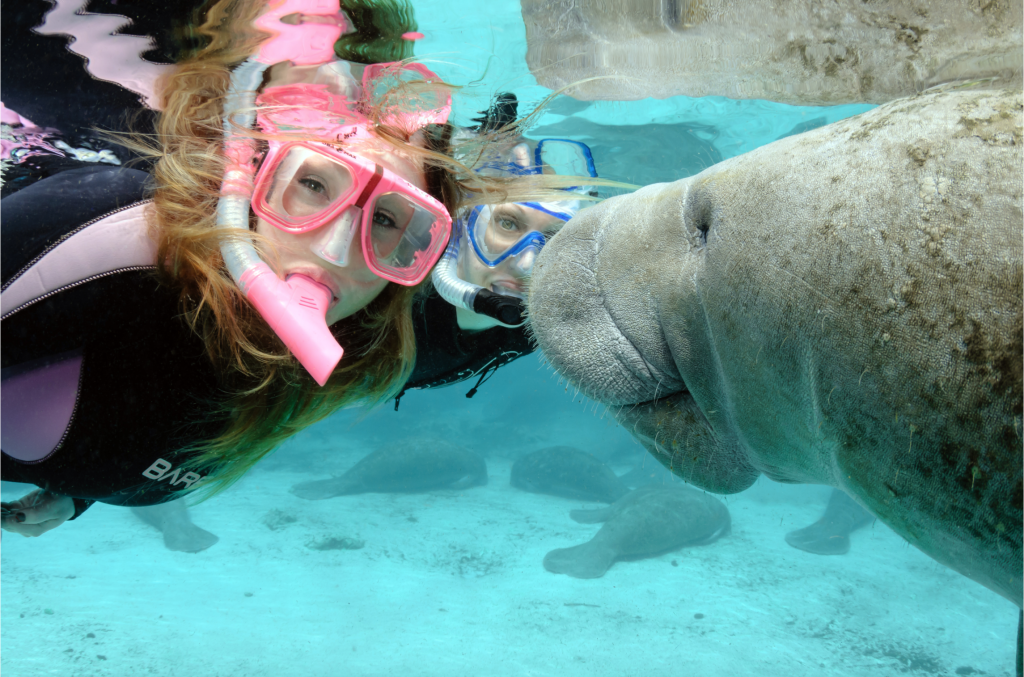
While manatees can sometimes be seen while swimming or kayaking, touching or harassing them is illegal.
What do manatees eat in the Florida Keys?
Manatees eat seagrass, aquatic vegetation, and algae. They can eat up to 10% of their body weight each day.
META DESCRIPTION (YOAST)
Fascinating insights into manatees in the Florida Keys. Learn where to see them, when they migrate, and the best wildlife spots near Marathon and Key Colony Beach. Stay nearby at FloridaKeysVillas.com luxury vacation rentals.
VOICE SEARCH META DESCRIPTION
Where can you see manatees in the Florida Keys? Discover the best manatee viewing locations, wildlife facts, and family-friendly vacation rentals in Marathon and Key Colony Beach at FloridaKeysVillas.com.
1. Federal Penalties: Under the Endangered Species Act (ESA) and the Marine Mammal Protection Act (MMPA), the penalties for harming or killing a manatee at the federal level can be significant. Violations can result in fines up to $100,000 per individual or $200,000 per organization, and may include criminal charges, imprisonment, or both.
2. State Penalties: Individual states with manatee populations, such as Florida, also have their own laws and penalties in place. In Florida, for example, harming, harassing, capturing, or killing a manatee is a second-degree misdemeanor, punishable by fines up to $500 and potential imprisonment for up to 60 days. Repeated or intentional offenses can result in higher fines and steeper penalties.
It's important to note that these penalties are intended to deter actions that harm manatees, protect their habitats, and promote their conservation. The severity of the penalties emphasizes the importance of respecting and preserving these gentle creatures and their vulnerable ecosystems.
For the most accurate and up-to-date information on specific fines and penalties in a particular jurisdiction, it is advisable to consult the relevant laws and regulations or seek legal advice.